How to set up a fish tank for beginners, step by step
Set up your first aquarium the right way: the gear you need, how the nitrogen cycle works, how long to cycle a tank and when it's safe to add fish.
By Petaholics Team · Fish · · 5 min read
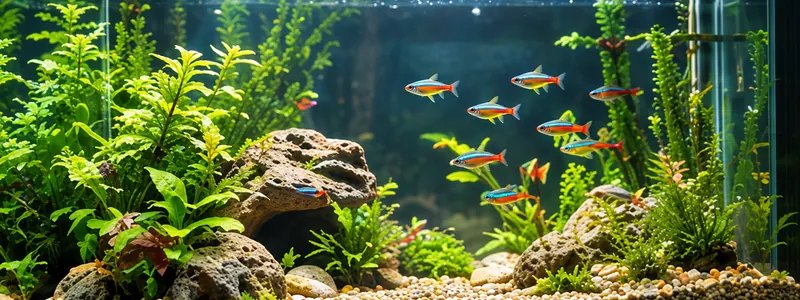
Quick answer: choose a tank of at least 60 litres (about 15 US gallons), set it up with a filter, heater, thermometer and dechlorinated water, then cycle it before adding any fish. Cycling grows the bacteria that turn toxic fish waste into safer compounds, and it usually takes several weeks. When your test kit reads 0 ammonia and 0 nitrite with some nitrate present, add a few hardy fish, then build up slowly.
The most important part of a first aquarium happens before any fish arrive. This guide walks through each step in order.
What you need
- Tank and stand. A sturdy stand rated for the full weight of the tank. Water weighs about 1 kg per litre.
- Filter matched to the tank's volume. The filter is home to the bacteria that keep the water safe.
- Heater (for tropical fish) and a separate thermometer.
- Liquid test kit for ammonia, nitrite, nitrate and pH. Liquid kits are more reliable than test strips.
- Water conditioner (dechlorinator) to neutralise chlorine and chloramine in tap water.
- Substrate (gravel or sand), decorations and plants.
- A light, ideally on a timer.
- A bucket and siphon used only for the aquarium.
Step 1: Choose the tank size and spot
Bigger tanks are more forgiving because changes in water quality happen more slowly. Many beginners find 60 litres or more easier to keep stable than a small bowl.
Place the tank somewhere level and strong enough to take the weight, away from direct sunlight (which feeds algae) and away from radiators and draughts. Leave room to reach the back for maintenance, and make sure there's a power socket nearby.
Step 2: Rinse and add substrate and decor
Rinse gravel or sand in a bucket of tap water until the water runs clearer. Don't use soap. Rinse decorations and arrange them, leaving open swimming space and hiding places.
Step 3: Fill and treat the water
Place a plate or bowl on the substrate and pour water onto it so you don't disturb the layout. Add water conditioner according to the bottle's instructions. If you're using live plants, plant them now.
Step 4: Start the filter and heater
Install the filter and heater, then switch on. Wait until the water reaches a stable temperature before adjusting the heater. Most common tropical community fish do well around 24–26°C (75–79°F), but check the needs of the species you plan to keep.
Step 5: Cycle the tank
Fish produce ammonia, which is toxic. In a healthy tank, two groups of beneficial bacteria living in the filter deal with it:
- Ammonia is converted to nitrite, which is also toxic.
- Nitrite is converted to nitrate, which is far less harmful and is removed with regular water changes.
This process is the nitrogen cycle. A new tank doesn't have these bacteria yet, which is why fish added straight away often get sick. This is sometimes called "new tank syndrome".
According to the University of Florida's aquaculture specialists, a brand-new biological filter can take six to eight weeks to become fully established (UF/IFAS). Hobby guides often quote two to six weeks, and bottled bacteria or filter media from an established tank can speed things up. The answer for your tank comes from your test kit, not the calendar.
Fishless cycling (recommended)
Fishless cycling means feeding the bacteria a source of ammonia without any fish in the tank:
- Add a small amount of pure ammonia or fish food to the tank. Many hobby guides suggest dosing to around 2 ppm of ammonia.
- Test every few days. You'll see ammonia rise and fall, then nitrite rise and fall, then nitrate appear.
- The tank is cycled when it can turn a dose of ammonia into 0 ammonia and 0 nitrite within 24 hours, with nitrate showing.
- Do a large water change before adding fish to bring nitrate down.
What if I already have fish?
If fish are already in an uncycled tank, test the water every day. Do partial water changes (with dechlorinated, temperature-matched water) whenever ammonia or nitrite are above zero, feed sparingly, and don't add more fish until the readings stay at zero.
Step 6: Add fish slowly
Start with a few small, hardy fish that suit your water and tank size. Add more gradually, a few at a time, with a week or two between additions, so the bacteria can keep up with the extra waste. Research every species before buying: adult size, temperament, group size and water needs.
Float the bag in the tank for about 15 minutes so the temperature matches before you release the fish.
Weekly maintenance once you're set up
- Test the water regularly, especially in the first months.
- Change 10–25% of the water each week with conditioned water.
- Clean the filter by rinsing its media in old tank water, never under the tap, and never replace all the media at once. This keeps your bacteria alive.
- Feed only what your fish eat within a couple of minutes.
Frequently asked questions
How long should I wait before adding fish to a new tank?
Until the tank is cycled: ammonia and nitrite both read 0 and nitrate is present. That often takes several weeks; test rather than count days.
Why is ammonia so dangerous to fish?
Ammonia damages fish gills and is more toxic at higher pH and temperature. Nitrite is also toxic, even at low levels. A cycled filter removes both.
Can I use tap water in a fish tank?
Yes, once it's treated with a water conditioner that removes chlorine and chloramine.
What are good first fish?
Hardy, peaceful species suited to your tank size and water. Your local aquarium shop can tell you which do well in your area's tap water.
This article is general guidance. Always check the specific needs of the fish species you choose.