How much should a rabbit eat each day?
Daily rabbit portions for hay, greens, pellets and treats by body weight, with UK and US measures and what rabbit charities recommend.
By Petaholics Team · Small pets · · 5 min read
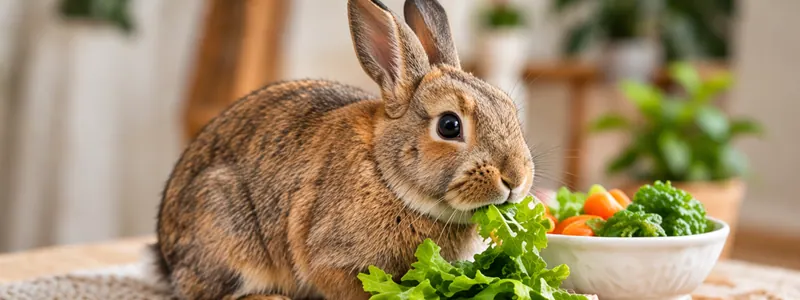
Quick answer: a healthy adult rabbit should eat a pile of hay at least as big as its own body every day, two handfuls of fresh leafy greens (morning and evening), and only a small measured portion of pellets: roughly an eggcup (about 25 g) per kilo of body weight. Fruit and other treats should be a few bites, not a bowl. Fresh water should always be available.
The rest of this guide explains why hay matters so much, how to size each part of the menu for your rabbit, and when a change in appetite means you should call the vet.
The daily rabbit diet at a glance
The RSPCA describes a healthy rabbit diet as roughly:
- 85% hay or grass: available all day, every day
- 10% leafy greens and vegetables
- 5% pellets: a small daily ration
- Treats: occasional, tiny amounts
Those percentages describe how much of the diet each food makes up, not the weight of food in the bowl. Hay is light and bulky, so 85% of the diet looks like a lot of hay.
| Food | How much (adult rabbit) | How often |
|---|---|---|
| Hay or grass | At least the rabbit's own body size | Unlimited, all day |
| Leafy greens | An adult-sized handful | Morning and evening |
| Pellets | About 25 g (an eggcup) per kg of body weight, or less | Once a day |
| Fruit and root veg | About 1 teaspoon per kg (2 lb) | A few times a week |
| Water | Always available | Refresh daily |
Hay: as much as your rabbit wants
Hay is the most important part of the diet. PDSA recommends giving at least your rabbit's own body size in good-quality hay or grass every day, and keeping it available at all times.
There are two reasons it matters so much:
- Teeth. Rabbit teeth grow continuously. Long, gritty strands of hay wear them down as your rabbit chews. Without enough chewing, teeth can overgrow and cause painful dental disease.
- Gut health. Rabbits need a constant flow of fibre to keep their digestive system moving. A low-fibre diet raises the risk of gut stasis, a dangerous slowdown of the gut.
Choose grass hays such as timothy, meadow or orchard hay for adult rabbits. Alfalfa hay is richer in calcium and protein, so it is usually kept for young, growing rabbits.
Fresh greens: two handfuls a day
Leafy greens add moisture, vitamins and variety. PDSA suggests an adult-sized handful of greens in the morning and another in the evening. The House Rabbit Society recommends offering at least three different kinds of greens each day.
Good everyday choices include:
- Romaine and other dark leaf lettuces (not iceberg)
- Coriander (cilantro), basil, mint and dill
- Spring greens, kale and broccoli leaves
- Dandelion leaves and other safe foraged plants (only if you are sure they are unsprayed)
Some greens, such as spinach, mustard greens and parsley, are high in oxalates. They are fine as part of a mix, but the House Rabbit Society suggests limiting the highest-oxalate greens to a few meals a week rather than every day.
Introduce new greens one at a time and in small amounts, so you can spot anything that upsets your rabbit's stomach.
Pellets: a small measured portion
Plain, high-fibre pellets help fill nutritional gaps, but they are a supplement, not the main meal. Rabbits that fill up on pellets tend to eat less hay, and that is when weight and dental problems start.
Guidance varies a little between organisations:
- RSPCA: about 25 g (roughly an eggcup) per kg of body weight per day
- PDSA: about a tablespoon once a day, or twice a day for rabbits over 3.5 kg
- House Rabbit Society (US): at most about ¼ cup for a 5–7 lb rabbit, ½ cup for 8–10 lb and ¾ cup for 11–15 lb, noting that many adults do well on less
Whichever measure you use, treat it as a maximum. If your rabbit is putting on weight or leaving hay uneaten, reduce the pellets first.
Avoid muesli-style mixes. Rabbits pick out the tasty, low-fibre pieces and leave the rest, which leads to an unbalanced diet.
Fruit and treats: a few bites only
Fruit, carrots and other root vegetables are high in sugar. The House Rabbit Society suggests about a teaspoon of fruit per 2 lb (1 kg) of body weight, a few times a week. A thin slice of apple (no seeds) or a couple of blueberries is plenty.
Shop-bought rabbit treats, yoghurt drops and bread are best avoided altogether.
Adjusting portions for your rabbit
Every rabbit is a little different. Adjust the amounts based on:
- Body weight and shape. You should be able to feel your rabbit's ribs and spine with gentle pressure, without seeing them. If you can't feel them, cut back on pellets and treats and keep hay unlimited.
- Age. Young rabbits under about six months need more protein and calcium for growth. Older rabbits can lose weight and may need their diet reviewed with a vet.
- Activity. Rabbits who spend most of the day in a small space burn less energy. More space to run and graze helps keep weight healthy.
If you want to change your rabbit's diet significantly, do it gradually over a couple of weeks.
When to call the vet
A rabbit that stops eating, or stops producing droppings, for more than a few hours needs a vet the same day. Small, dry or misshapen droppings, drooling or dropping food while chewing can be signs of gut or dental problems and should also be checked promptly.
Frequently asked questions
Can rabbits eat carrots every day?
Carrots are high in sugar, so they are a treat rather than a daily vegetable. Carrot tops (the leafy greens) are a better everyday choice.
How much hay should a rabbit eat per day?
At least a pile the size of your rabbit's body every day, and ideally unlimited. A healthy rabbit spends much of its waking time eating hay.
Do rabbits need pellets at all?
Pellets are a convenient way to provide vitamins and minerals, but they should only be a small part of the diet. Some rabbits on a very varied diet of grass, hay and greens need very few. Ask your vet if you are unsure.
How much water does a rabbit drink?
More than many owners expect. Provide fresh water in a heavy bowl as well as, or instead of, a bottle, and refresh it daily.
This article is general guidance and not a substitute for advice from a vet who knows your rabbit.